I cook Indian food most nights. Not the restaurant kind—the real kind. The kind that happens after work when you're tired and hungry and the fridge has half an onion and a sad tomato.
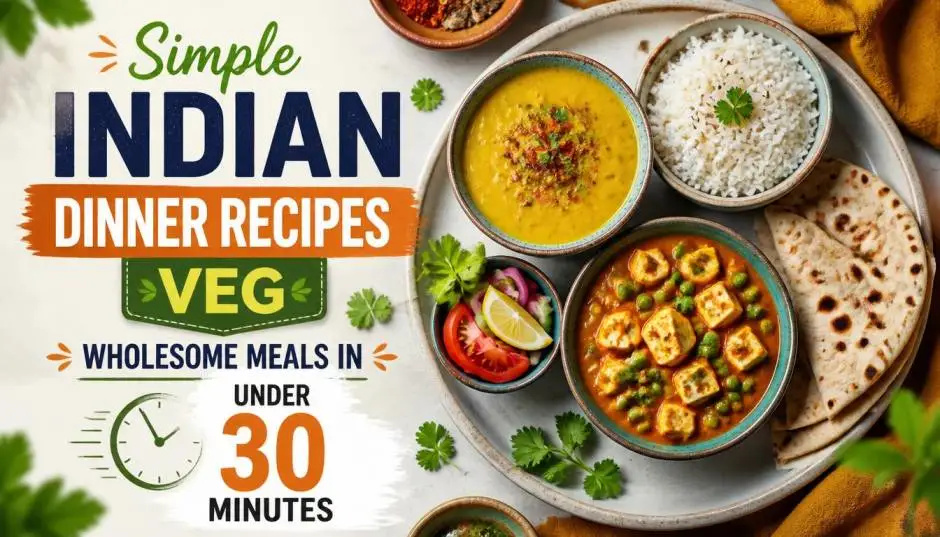
Over the years, I've learned which Indian dinner recipes veg actually work on busy weeknights. Some take ten minutes. Some take twenty-five. None require a trip to a specialty store. This guide shares what I've tested in my own kitchen.
Why Most Weeknight Indian Cooking Fails?
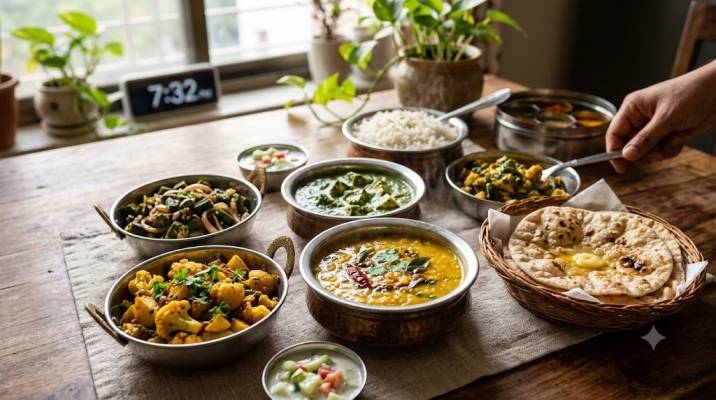
People think Indian food takes hours. That's only true if you're making biryani or dal makhani from scratch. Most everyday Indian meals are fast.
Read Also: Craving-Worthy Dense Bean Dinner Salad Recipe with Zesty Garlic Dressing
The problem is recipe blogs. They overcomplicate things. They list twenty ingredients when eight will do. They tell you to soak, grind, and temper when you can just chop and cook.
I've fallen for this trap. I once spent forty minutes making a "quick" paneer dish that tasted exactly like the fifteen-minute version I make now. The extra time bought nothing.
So here's what I've learned: pick recipes with fewer than ten ingredients. Use pre-cut vegetables if you're short on time. Keep your spice box stocked with the basics.
The Spices You Actually Need
You don't need thirty spices. You need six.
Turmeric. Cumin. Coriander powder. Red chili powder. Garam masala. Salt.
That's it. With those six, you can make almost any Indian dinner recipes veg that people actually eat at home. I've tested this. I've made aloo gobi, bhindi masala, and matar paneer with just those spices. They taste good.
Everything else—cardamom, cloves, bay leaves, mustard seeds—adds depth. But they're not required for a Tuesday night dinner.
Buy whole spices if you can. Grind them fresh. The difference is real. But if you're starting out, the pre-ground stuff from the Indian grocery store works fine.
Recipe 1: Fifteen-Minute Paneer Bhurji
This is my go-to when I'm exhausted. It's scrambled paneer with onions, tomatoes, and spices. Think of it like Indian scrambled eggs, but with cheese.
You need: 200 grams paneer, one onion, two tomatoes, green chili, turmeric, red chili powder, garam masala, salt, oil.
Crumble the paneer with your hands. Chop the onion and tomatoes. Heat oil in a pan. Add cumin seeds if you have them. Add onions. Cook until soft. Add tomatoes and spices. Cook until the tomatoes break down. Add the crumbled paneer. Stir for two minutes. Done.
I eat this with roti or sometimes just on its own. It's filling. It's fast. It works.
One warning: don't overcook the paneer. It gets rubbery. Two minutes is enough.
Recipe 2: Bhindi Masala That Doesn't Get Slimy
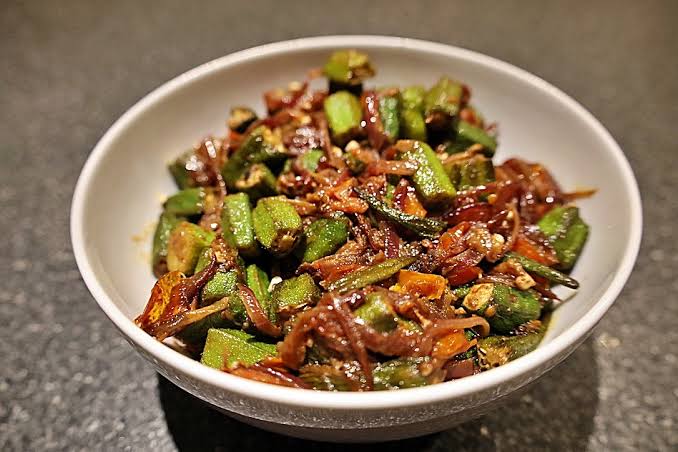
Okra is tricky. Most people avoid cooking it at home because it turns into a sticky mess. I did too, for years.
You Must Also Like: Simple Dinner Recipes Using Frozen Hash Browns for Easy, Delicious Meals
Then my aunt showed me her method. Wash the okra. Dry it completely. Not mostly dry—completely dry. Water is the enemy here. Cut it into pieces. Heat oil in a pan. Add the okra. Cook on high heat without stirring for three minutes. Then stir and cook for another five.
The high heat and the dry okra prevent the slime. This works every time.
For the masala: add chopped onions, tomatoes, turmeric, coriander powder, red chili powder, and salt. Cook until everything comes together. Finish with a squeeze of lemon.
This is one of my favorite veg dishes for dinner. It's light. It's tangy. It doesn't make you feel heavy.
Recipe 3: Dal That Tastes Like It Cooked All Day
Dal is the backbone of Indian home cooking. But traditional dal takes time. The lentils need to cook. The tempering needs attention.
Here's my shortcut: use red lentils. They cook in fifteen minutes. No soaking. No pressure cooker.
Boil one cup of red lentils in three cups of water. Add turmeric and salt. While that cooks, make the tempering. Heat ghee or oil. Add cumin seeds. Add chopped garlic and dried red chili. Add chopped onion. Cook until golden. Pour this over the cooked dal.
Finish with lemon juice and fresh cilantro.
This dal tastes rich. It tastes like you spent an hour on it. You didn't.
I make this twice a week. It's cheap. It's healthy. It's light food for dinner vegetarian Indian for family—my kids eat it without complaint.
Recipe 4: Aloo Gobi in Twenty Minutes
Potatoes and cauliflower. Simple. Filling. Done in one pan.
The trick is to parboil the potatoes first. Cut them into small cubes. Boil for five minutes. Drain.
Heat oil. Add cumin seeds. Add chopped onion. Add ginger-garlic paste if you have it. Add the potatoes and cauliflower. Add turmeric, coriander powder, red chili powder, and salt. Cover and cook for ten minutes. Stir occasionally.
Finish with garam masala and fresh cilantro.
This is comfort food. It's not fancy. It's what I make when I want something that feels like a hug.
One note: don't add water. The vegetables release enough moisture. Adding water makes it mushy.
Recipe 5: Matar Paneer Without the Cream
Restaurant matar paneer is heavy. It's loaded with cream and cashews. I love it, but I can't eat it on a weeknight.
My version skips the cream. I use tomato puree and a little yogurt. The result is lighter but still rich.
Make a simple tomato gravy: heat oil, add cumin, add chopped onions, cook until soft. Add ginger-garlic paste. Add tomato puree. Cook until the oil separates. Add turmeric, coriander, red chili, and salt. Add peas and cubed paneer. Simmer for five minutes. Stir in two tablespoons of yogurt. Done.
This is one of those Indian dinner recipes veg that works for guests too. Nobody misses the cream.
Recipe 6: Vegetable Pulao for Nights You Want Rice
Rice gets a bad reputation in health circles. But a good vegetable pulao is a complete meal. It has carbs, vegetables, and flavor.
I use basmati rice. I rinse it well. I soak it for ten minutes while I chop vegetables.
Heat ghee in a pot. Add cumin seeds, bay leaf, and cloves. Add chopped onion. Add carrots, peas, and beans. Add the drained rice. Stir for two minutes. Add water—twice the amount of rice. Add salt. Cover and cook on low for fifteen minutes.
Let it rest for five minutes before opening. Fluff with a fork.
This is a one-pot meal. It's perfect for nights when you don't want to make three separate dishes.
What I Don't Recommend?
Some shortcuts don't work. I've tried them.
Frozen chopped onions? They release too much water. The texture is wrong.
Pre-made ginger-garlic paste from the store? It often has preservatives and tastes flat. Make your own and freeze it in ice cube trays.
Canned tomato puree? It works in a pinch. But fresh tomatoes taste better. If you use canned, add a pinch of sugar to balance the acidity.
Pressure cooking everything? It works for dal. It doesn't work for vegetables. They turn to mush.
How to Plan Your Week?
I cook Indian food four nights a week. Here's my rough rotation:
Monday: Dal and rice. Simple. Comforting.
Tuesday: Paneer bhurji with roti. Fast.
Wednesday: Bhindi masala with roti. Light.
Thursday: Aloo gobi or matar paneer. Whichever vegetables look better at the store.
Friday: Leftovers or takeout. I'm human.
This rotation works because the ingredients overlap. Onions, tomatoes, ginger, garlic, and green chilies go into almost everything. I buy them in bulk.
The Equipment That Helps
You don't need much. A good non-stick pan. A pressure cooker if you make dal often. A sharp knife.
The one thing I'd recommend: a spice box. The kind with small compartments. It keeps your spices organized and within reach. You'll use them more often.
I bought mine for ten dollars at an Indian grocery store. It's lasted five years.
Final Thoughts
Cooking Indian food on a weeknight is not hard. It's about picking the right recipes and keeping your pantry ready.
Start with one recipe. Make it three times. Get comfortable. Then add another.
The Indian dinner recipes veg in this guide are the ones I actually cook. They're tested. They're fast. They work.
Don't aim for perfection. Aim for dinner on the table. That's enough.