Arranging a full dinner can feel like a high-stakes venture. You need a starter that wows, a primary course that fulfills, and a dessert that takes off everybody grinning. But without a clear guide, you might conclusion up with mismatched flavors or a kitchen disaster.
That is why having step by step instructions from appetizer to dessert is the secret weapon of confident home cooks. It is not almost taking after formulas; it is approximately understanding the stream of a meal.
I have cooked endless multi-course dinners, from casual weeknight suppers to occasion feasts. I have made the botches (like overlooking to preheat the broiler for dessert) so you do not have to.
This direct offers hands-on tips to help you make a culminate dinner, from the to begin with chomp to the final. We'll examine the reason of each course. You'll learn down to earth cooking procedures and the apparatuses that make it all work.
Understanding the Flow: What Comes After Appetizer?
Before we bounce into the kitchen, let us conversation around the structure of a feast. If you’re inquisitive approximately what takes after an appetizer, it’s as a rule a few courses.
Read Also: The Best Chipotle Chocolate Dipping Sauce for Savory Pretzels
These courses point to make a total culinary involvement. A standard full-course dinner progression looks like this:
-
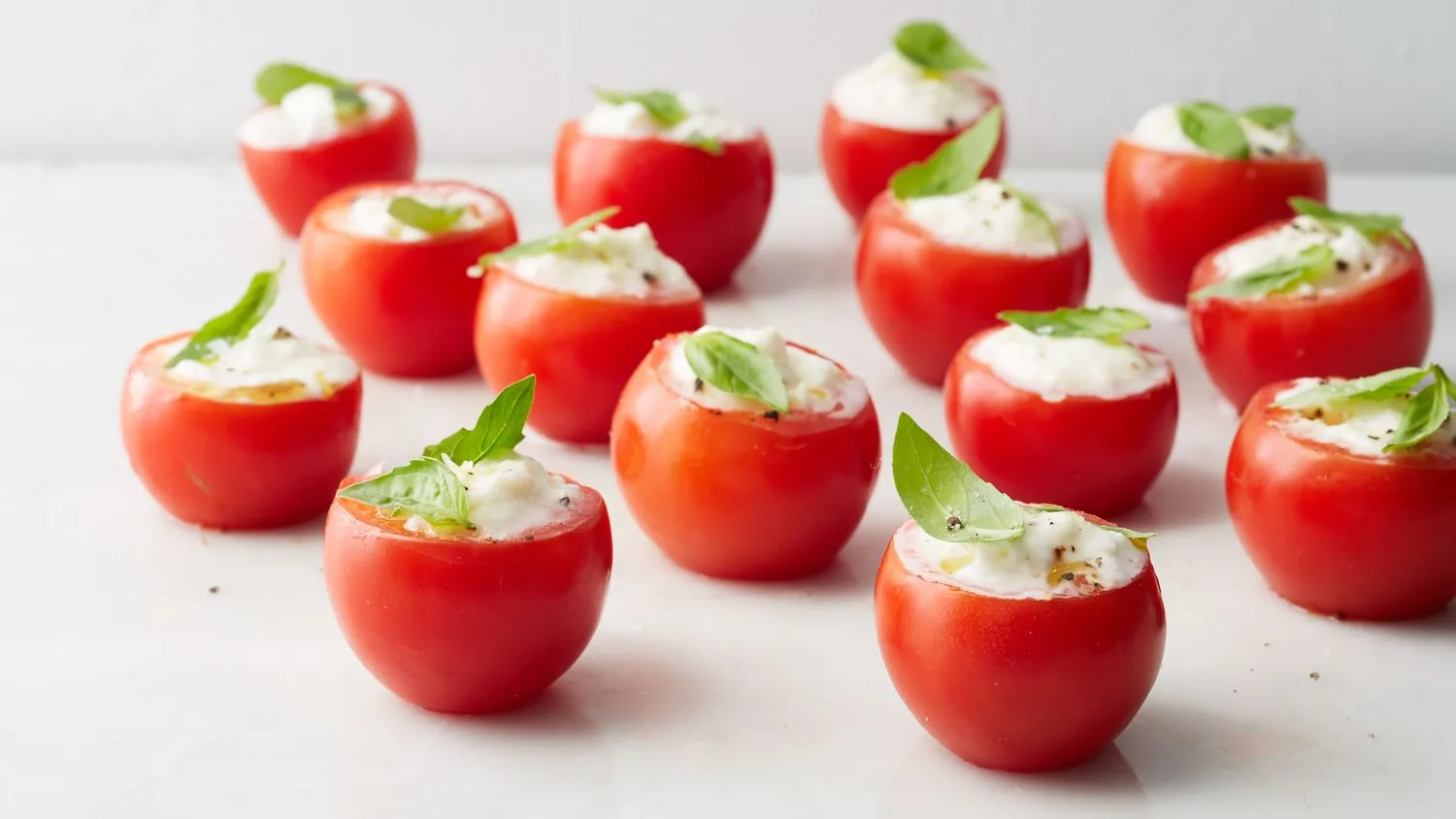
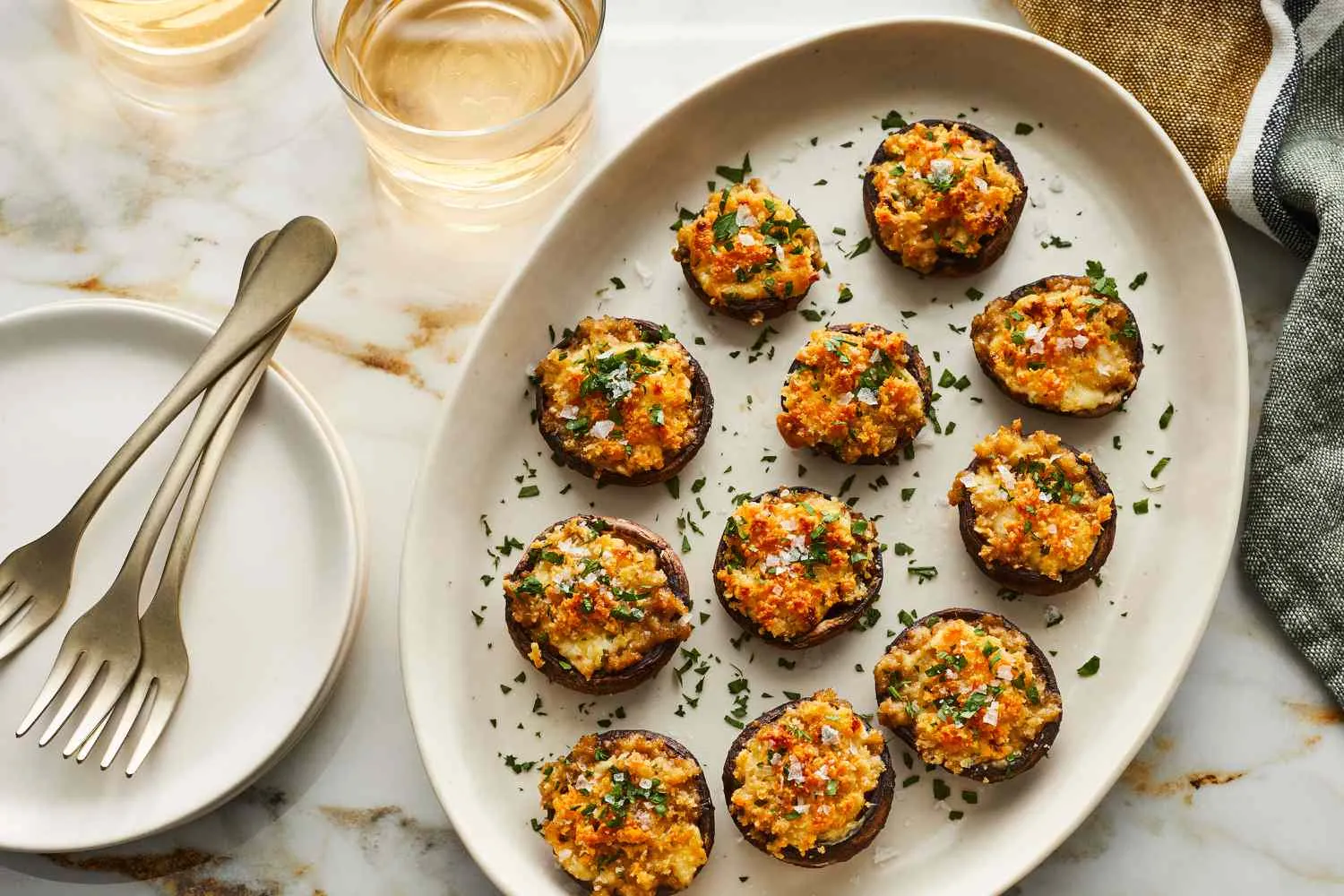
Appetizer (Starter): A small dish to stimulate the appetite.
-
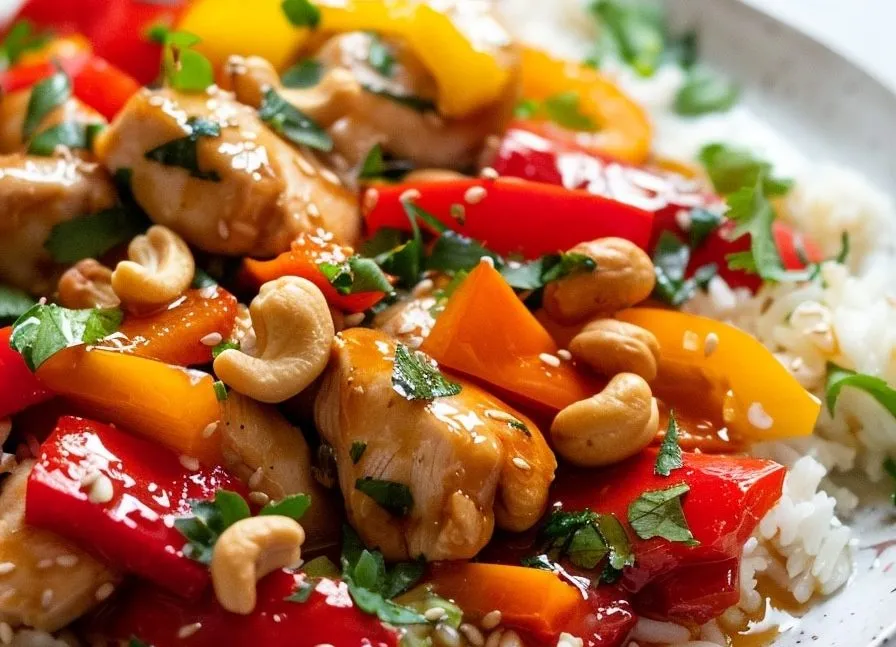
Main Course (Entrée): The largest and most much dish of the meal.
-
Dessert: A sweet course to conclude the meal.
Yet, for a more lackadaisical or formal supper, you might inquire, what comes after the fundamental course for supper? This is where you can include tastefulness.
After the primary course, a light serving of mixed greens or a cheese course is frequently served to cleanse the sense of taste some time recently dessert. At that point, at long last, you conclusion with dessert and maybe coffee.
Understanding this arrangement helps you arrange. For illustration, if you are serving a overwhelming fundamental course, you will need a light appetizer. If you are having a cheese course, your dessert can be something simple, like new fruit.
1: The Warm-Up - Mastering Appetizers
The appetizer sets the tone. It should be inviting but not filling. This is particularly significant for occasions like diversion day, where visitors require to hand out and eat Super Bowl appetizers whereas standing.
From my involvement, the key to a incredible appetizer is timing. You need a dish you can generally get ready ahead of time. This way, you won’t be stuck in the kitchen when your visitors arrive.
The "Make-Ahead" Procedure: Plunges and Spreads
Dips are my go-to since they are pardoning and move forward as the flavors merge. A rich spinach and artichoke plunge is a classic illustration.
-
I used to use low-fat cream cheese and mayo to make it "healthier. The result was a grainy, watery mess. Now, I stick with full-fat cream cheese and high-quality mayo. The texture is velvety and rich, and it holds up perfectly even after sitting out for a bit
-
Actionable Guidance: Assemble your dip the night before. When your guests arrive, Pop it in the oven. The aroma will make everyone feel welcome, and you will be free to socialize.
The "Crowd-Pleaser" Strategy: Hand-Held Bites
For heartier gatherings, like a Super Bowl party, you need something more large. Super bowl appetizers need to be bold, fun, and easy to eat.
-
Product Comparison: Sliders vs. Wings
-
Sliders: I find sliders, like Mini Cheeseburger Sliders, more versatile. You can keep them warm in a low oven on a tray, and they appeal to people who might not want spicy food.
-
Wings: Classic Buffalo Wings are fantastic, but they are messier. They are best for smaller groups where people are seated and have access to napkins
-
Who they are best for: If you have a crowd of 10 or more, go with sliders or a "slider bar" where people can build their own. They are easier to manage and less likely to stain the couch.
-
2: The Main Event - Cooking with Confidence
After the appetizers have done their job, it is time for the main course. This is where having a plan is critical. You do not want to be in a rush chopping vegetables while your main protein burns.
You Must Also Like: Meal Prep Appetizers for Work Lunches
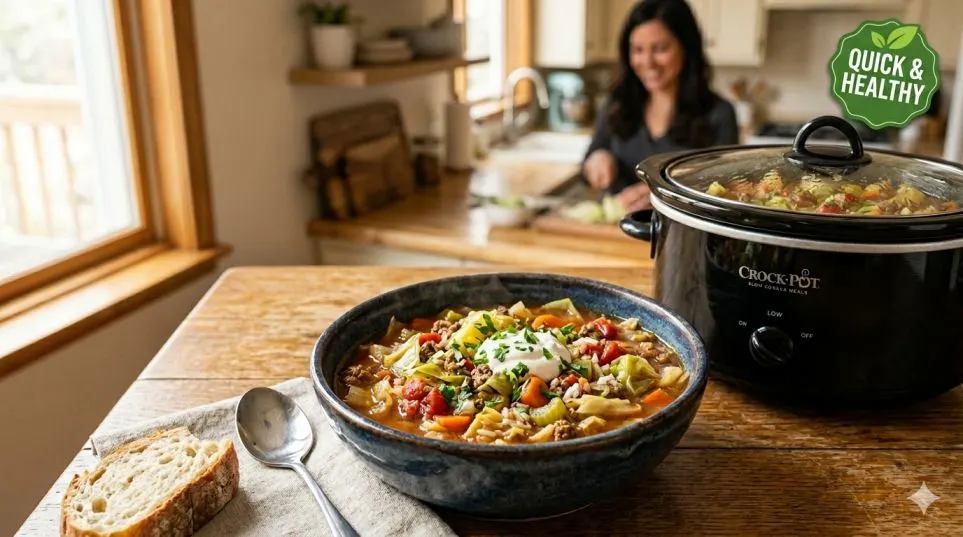
A tool like the complete slow cooker is a lifesaver. It helps with everything from appetizers to desserts.
Why a Slow Cooker Wins for the Main Course?
I used to think slow cookers were only for heavy winter stews. But America's Test Kitchen changed my mind with their book, The Complete Slow Cooker. They pushed the limits of what a slow cooker can do, proving it is perfect for entertaining.
-
Experience-Based Observation: The biggest issue with multi-course meals is timing. The main course is usually the most time-sensitive. By using a slow cooker, you remove that stress. You can braise a pork shoulder or cook a whole chicken while you focus on your appetizers and dessert.
-
Not all slow cookers have the same quality. I’ve tried many, and the ones that sear meat well—either with a browning function or by letting you sear in a pan first—work much better. Dumping raw meat into a cold crockpot leads to bland, gray food. Take the extra 10 minutes to brown it.
-
Honest Pros and Cons:
-
Pros: Frees up oven space, keeps food warm for late guests, tenderizes tough cuts of meat perfectly.
-
Cons: Can turn vegetables to mush if added too early. Not ideal for recipes needing crispy skin, like roast chicken. Dorie Greenspan's oven method shows that a covered pot works well for this.
-
Example: A Foolproof Main Course For a recent dinner party, I made a simple roast chicken. I prepared it and put it in the oven. Then, I had 40 minutes to clean up my appetizer mess and set the table.
Follow the step by step instructions from appetizer to dessert for each part. While the chicken rested, I quickly sautéed some green beans. It was efficient and delicious.
3: The Grand Finale - Dessert Done Right
Dessert is your lasting impression. It doesn't have to be complicated to be memorable. The goal is to complement the meal, not to put your guests in a sugar coma.
The "Simple and Elegant" Approach: Fruit-Based Desserts
After a rich main course, a light dessert is often welcome. A simple apple cake is a perfect example.
-
Personal Insight: I once made a dense chocolate lava cake after a heavy Italian meal. It was too much. Now, I lean towards desserts like Marie-Hélène's Apple Cake. It is more apples than cake, lightly sweetened with rum and vanilla
-
Actionable Guidance: Use a mix of apple varieties. Some apples, like Granny Smith, keep their shape. Others, like Cortland, break down and make a natural applesauce texture in the cake. This creates complexity without extra work.
-
Avoiding Poor Purchases: When making cakes, buy good-quality butter and vanilla. Artificial vanilla extract will ruin the delicate flavor of a simple cake. Splurge on the real stuff; it makes a noticeable difference.
The Complete Slow Cooker from Appetizers to Desserts
You might believe a slow cooker is for main dishes. But the complete slow cooker guide shows you can use it for healthy appetizers and desserts, too.
-
For Appetizers: You can keep dips like Rotel dip or meatballs warm for hours without drying them out.
-
For Dessert: Yes, you can make dessert in a slow cooker. America's Test Kitchen has recipes for everything from poached pears to crème brûlée. The moist, gentle heat is perfect for custards.
Buying Guidance: Is a Slow Cooker Right for You?
-
Best for:
-
Busy families
-
Meal preppers
-
Anyone who loves to host parties without being stuck in the kitchen
-
-
Not great for:
-
Those who want quick meals (slow cookers cook "low and slow").
-
Anyone looking for char-grilled or deep-fried textures.
-
Practical Advice to Avoid Common Pitfalls
Here is a quick checklist of lessons learned from the kitchen:
-
Read the Entire Recipe First: Do not dive in. Read your chosen step-by-step instructions from appetizer to dessert for every dish. The appetizer may need an hour to chill. The dessert should cool completely before serving.
-
Mise en Place (Everything in its Place): Chop your veggies. Measure your spices. Get your tools ready before cooking. This is the number one habit that separates stressful cooking from enjoyable cooking.
-
Respect Your Ingredients: If a recipe calls for freshly shredded cheese, avoid using cheese from a pre-shredded bag. The anti-caking agents prevent it from melting in a smooth manner, which is crucial for dips and sauces.
-
Timing is Everything: Work backward from your intended serving time. If dinner is at 7:00 PM, when does the main course need to go in the oven? When should you pull the appetizer out? Write it down.
Frequently Asked Questions!
To make this direct as valuable as conceivable, let us specifically address the common questions clients have when arranging a menu.
What is the ordinary arrange of a supper course?
The standard arrange is: Appetizer (starter), Fundamental Course (entrée), and Dessert. In more formal settings, a angle course might come some time recently the primary, and a salad or cheese course might come after the fundamental but some time recently dessert.
What comes after the primary course for dinner?
Typically, a light serving of mixed greens or a cheese board comes after the fundamental course. This serves as a sense of taste cleanser and a move some time recently the sweetness of dessert.
Can you truly make a entirety supper in a moderate cooker?
Absolutely. With the total moderate cooker direct, you can plan a assortment of dishes. Appreciate everything from plunges and chicken wings to cheesecakes and poached natural product. It is an fantastically flexible instrument for making a full-menu feast with negligible dynamic cooking time.
How do I keep my Super Bowl appetizers warm?
A moderate cooker or a warming plate is your best companion. Plunges like Buffalo Chicken Dip or Queso can be made ahead. Keep them in a moderate cooker on "warm" for hours. This way, they remain impeccably dippable from kickoff to the last quarter.
Conclusion
Mastering a multi-course feast is one of the most fulfilling abilities in the kitchen. It is less almost complicated recipes and more almost organization. Get to know the flow—from the light chomp of an appetizer to the sweet wrap up of dessert.
With convenient devices like a moderate cooker, you can cook effortlessly and confidently. Remember, the objective is association. Individuals remember how a feast felt, not if each dish was culminate.
Utilize these step by step instructions from appetizer to dessert as your direct, but do not be anxious to adapt. Trust your instinctual, plan what you can in development, and most imperatively, appreciate the involvement nearby your visitors. Upbeat cooking